
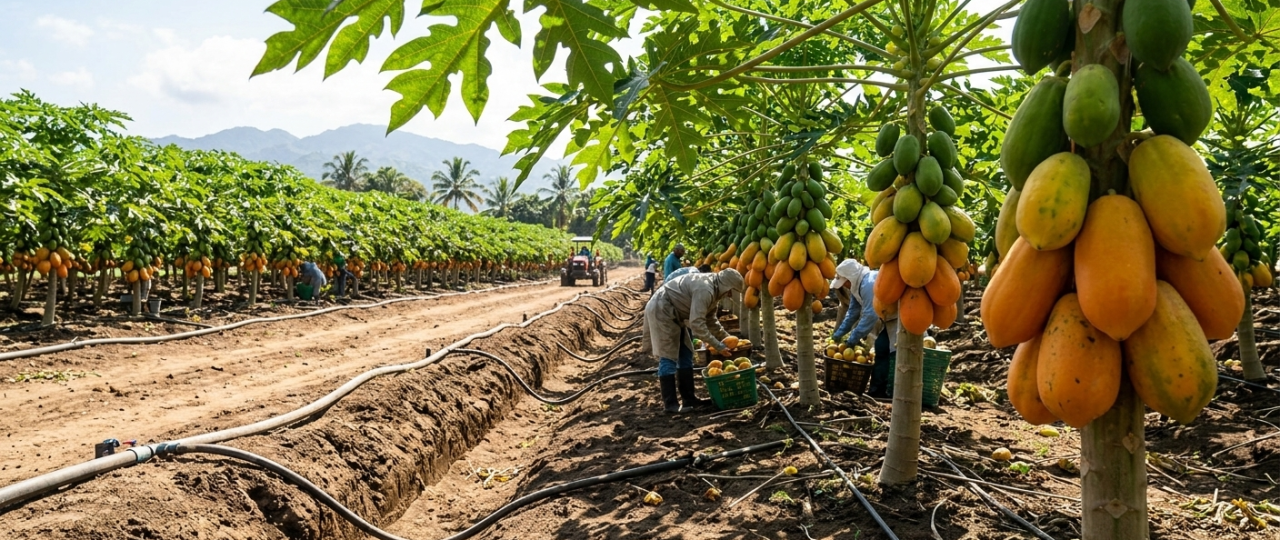
Pawpaw farming in Kenya is becoming increasingly popular due to the high demand for fresh fruit, juice, and industrial processing, as well as healthy eating trends. Pawpaw, also known as papaya, is one of the fastest-growing fruit farming businesses because it matures quickly, requires relatively low maintenance, and can generate income throughout the year.
Farmers across regions such as Makueni, Kitui, Machakos, Kilifi, Kisii, Busia, Meru, Embu, and parts of Nairobi’s peri-urban areas are successfully growing pawpaw for local and export markets.
Why Pawpaw Farming Is Popular in Kenya
Pawpaw farming is a lucrative business because of the following:
- The crop matures quickly
- Demand is high throughout the year
- It can be grown on small land sizes
- Fruits have strong nutritional value
- It has been producing continuously for several years
Pawpaw is widely consumed in the following industries:
- Homes
- Hotels
- Supermarkets
- Juice processing companies
- Fruit vendors
Best Areas for Pawpaw Farming in Kenya
Pawpaw grows well in warm areas with moderate rainfall and well-drained soils.
Major producing regions include:
- Makueni County
- Machakos County
- Kitui County
- Kilifi County
- Kwale County
- Kisumu County
- Busia County
- Meru County
- Embu County
The crop performs best in lowland areas, warm climates, and frost-free regions.
Climatic Conditions Required for Pawpaw Farming
Temperature
Ideal temperatures range between:
- 21°C to 33°C
Very cold conditions reduce growth and fruit production.
Rainfall
Pawpaw requires:
- moderate rainfall
- consistent moisture
Too much water can cause root diseases.
Soil Requirements
The best soils are
- well-drained
- fertile
- slightly acidic to neutral
Waterlogged soils are dangerous for pawpaw because they promote root rot.
Popular Pawpaw Varieties in Kenya
1. Solo Sunrise
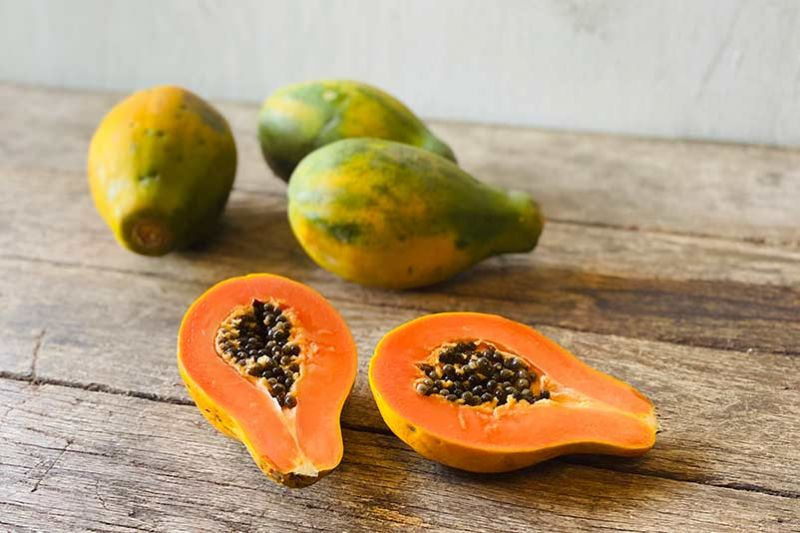
This is one of the most popular commercial papaya varieties.
Characteristics
- Sweet taste
- Small to medium fruits
- High market demand
- Early maturity
2. Red Royale
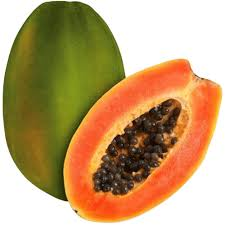
Known for:
- Large fruits
- Reddish flesh
- High yields
- Good shelf life
Popular among commercial farmers.
3. Mountain Papaya
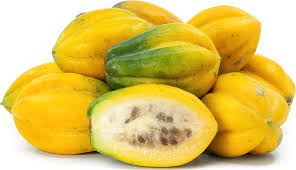
Common in cooler highland regions.
4. Kapoho Variety
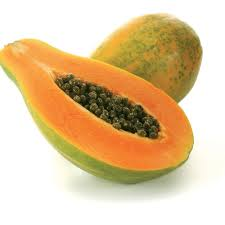
Produces large fruits suitable for local markets.
Land Preparation for Pawpaw Farming
Good land preparation improves establishment and yields.
Steps a farmer should follow during the land preparation process
- Clear bushes and weeds
- Plough the land
- Prepare planting holes
- Add manure before planting
Recommended hole size:
- 2ft x 2ft x 2ft
Mix topsoil with:
- well-decomposed manure
- DAP fertilizer
Pawpaw Planting Process
Pawpaw is mainly grown from seeds.
Nursery Preparation
Seeds are first planted in:
- seed trays
- nursery bags
Seedlings are transplanted after:
- 1 to 2 months
Spacing
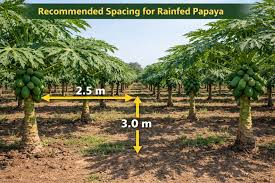
Recommended spacing:
- 2m x 2m
- or 2.5m x 2.5m
This allows proper sunlight and air circulation.
Irrigation in Pawpaw Farming
Pawpaw requires regular watering, especially during the following:
- dry seasons
- flowering stages
- fruit development
Drip irrigation is highly recommended because it:
- saves water
- improves efficiency
- reduces diseases

5
Fertilizer and Nutrient Management
Pawpaw requires sufficient nutrients for good fruit production.
Common fertilizers include:
- farmyard manure
- NPK fertilizer
- CAN fertilizer
Important nutrients:
- Nitrogen
- Phosphorus
- Potassium
Organic manure improves soil structure and fruit quality.
Pest and Disease Management
Common Pests
Aphids
They damage leaves and spread viruses.
Fruit Flies
Causes fruit damage and losses.
Mealybugs
Affect plant growth and fruit quality.
Common Diseases
Powdery Mildew
Causes white fungal growth on leaves.
Papaya Ring Spot Virus
One of the most serious diseases.
Symptoms include:
- ring-like fruit spots
- distorted leaves
- reduced yields
Root Rot
Mostly caused by poor drainage.
Farm hygiene and proper spacing help reduce disease pressure.
Flowering and Pollination
Pawpaw plants may be
- male
- female
- hermaphrodite
Hermaphrodite plants are preferred commercially because
- they self-pollinate
- produce uniform fruits
Farmers usually remove excess male plants after flowering begins.
Maturity and Harvesting
Pawpaw starts producing fruits after:
- 8 to 12 months
Harvesting continues for:
- 2 to 4 years depending on management
Fruits are harvested when:
- they start turning yellow
- mature size is reached
Careful handling prevents bruising.
Market for Pawpaw in Kenya
Pawpaw has a strong local market.
Main buyers include:
- supermarkets
- fruit vendors
- hotels
- juice processors
- open-air markets
There is also growing demand for:
- fresh juice
- fruit salads
- dried fruits
Health-conscious consumers increasingly prefer pawpaw because of its nutritional benefits.
Nutritional Benefits of Pawpaw
Pawpaw is rich in:
- Vitamin C
- Vitamin A
- Fiber
- Antioxidants
It is commonly associated with:
- improved digestion
- immunity support
- healthy skin
Challenges Facing Pawpaw Farmers in Kenya
Diseases
Viral diseases can destroy entire farms.
Poor Market Prices During Oversupply
Prices may fall during peak harvest seasons.
Short Shelf Life
Ripe fruits spoil quickly if not sold fast.
Fruit Flies
Can cause significant losses if poorly controlled.
Poor Seed Quality
Low-quality seeds affect yields and fruit quality.
Tips for Successful Pawpaw Farming
Successful farmers focus on the following:
- certified seeds
- proper drainage
- irrigation
- pest control
- regular fertilization
- market planning
Value addition such as the following:
- juice making
- drying
- packaging
can increase profits.
Profitability of Pawpaw Farming in Kenya
Pawpaw farming can be highly profitable because
- fruits are harvested continuously
- market demand is steady
- production costs are moderate
Farmers with good management practices can earn consistent income throughout the year.
Future of Pawpaw Farming in Kenya
Demand for healthy fruits continues to grow in Kenya and internationally.
Opportunities exist in:
- export markets
- fruit processing
- organic farming
- value-added products
With improved irrigation and disease management, pawpaw farming has strong potential for expansion.
Must Read Farming Articles
Conclusion On Pawpaw Farming in Kenya
Pawpaw farming in Kenya is a promising agribusiness opportunity for both small-scale and commercial farmers. The crop matures relatively fast, has strong market demand, and can generate continuous income with proper management.
Farmers who invest in:
- quality seedlings
- irrigation
- disease control
- proper marketing
can build a sustainable and profitable fruit farming business through pawpaw production.
