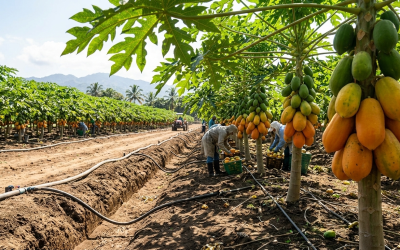
Smart irrigation systems are transforming agriculture in Kenya by helping farmers save water, increase yields, reduce labor costs, and improve farm productivity through automation and data-driven farming.
As climate change, drought, and unpredictable rainfall continue affecting agriculture in Kenya, many farmers are now adopting smart irrigation technologies to improve efficiency and sustainability.
From smallholder vegetable farmers in Nakuru to large commercial farms in Eldoret and Nairobi, smart irrigation is becoming one of the most important investments in modern farming.
What Is a Smart Irrigation System?
A smart irrigation system uses technology to automate and optimize water delivery to crops.
Unlike traditional irrigation methods that rely on manual watering schedules, smart irrigation systems use:
- Soil moisture sensors
- Weather data
- Timers
- IoT technology
- Mobile apps
- Automated valves and pumps
These technologies help farmers irrigate crops only when necessary.
Why Smart Irrigation Is Growing in Kenya
Kenya faces increasing agricultural challenges including:
- Water scarcity
- Rising temperatures
- Unpredictable rainfall
- High labor costs
- Reduced farm productivity
Smart irrigation systems help address these challenges by improving water management and reducing waste.
According to smart irrigation providers in Kenya, precision irrigation systems can reduce water use significantly while improving yields.
Types of Smart Irrigation Systems in Kenya
1. Drip Irrigation Systems
Drip irrigation is one of the most common smart irrigation methods used in Kenya.
Water is delivered directly to plant roots through drip lines and emitters.
Benefits
- Reduces water wastage
- Minimizes evaporation
- Improves crop growth
- Reduces weed growth
- Saves labor
Drip irrigation is widely used for:
- Tomatoes
- Capsicum
- Onions
- Watermelons
- Strawberries
- Greenhouse farming


7
2. Automated Sprinkler Systems
Smart sprinkler systems automatically control water distribution using timers and sensors.
They are ideal for:
- Lawns
- Large farms
- Landscaping
- Pastures
- Sports fields
Modern sprinkler systems can adjust irrigation schedules based on weather conditions.
3. Solar-Powered Irrigation Systems
Solar irrigation systems are becoming increasingly popular in off-grid regions across Kenya.
These systems use:
- Solar panels
- Solar pumps
- Automated water control systems
They are ideal for:
- Remote farms
- ASAL regions
- Borehole irrigation
- Areas without electricity
Solar-powered irrigation reduces fuel costs and improves sustainability.


8
4. IoT Smart Irrigation Systems
IoT (Internet of Things) irrigation systems use connected sensors and mobile applications to monitor farms remotely.
Farmers can:
- Monitor soil moisture
- Track weather conditions
- Control irrigation remotely
- Receive mobile alerts
- Automate watering schedules
Some systems even provide cloud-based farm analytics.
Features of Smart Irrigation Systems
Modern smart irrigation systems in Kenya include:
Soil Moisture Sensors
These sensors detect moisture levels in the soil and trigger irrigation only when crops need water.
Weather Monitoring
Advanced systems use weather intelligence to avoid watering during rainfall.
Mobile App Control
Farmers can monitor and control irrigation systems from smartphones.
Automated Timers
Watering schedules are automated to improve efficiency.
Remote Monitoring
Farmers can manage irrigation remotely even when away from the farm.
Benefits of Smart Irrigation Systems in Kenya
1. Water Conservation
Water scarcity remains one of Kenya’s biggest agricultural challenges.
Smart irrigation systems help reduce unnecessary water usage through precision watering.
2. Increased Crop Yields
Proper irrigation improves:
- Plant growth
- Crop quality
- Farm productivity
Some smart greenhouse systems report higher yields due to controlled irrigation.
3. Reduced Labor Costs
Automation reduces the need for manual irrigation and monitoring.
4. Better Fertilizer Management
Many systems integrate fertigation technology, allowing fertilizers to be delivered efficiently through irrigation systems.
5. Improved Climate Resilience
Smart irrigation helps farmers continue farming during dry seasons and drought periods.
Companies Offering Smart Irrigation Systems in Kenya
Plum Irrigation Kenya
Provides:
- Drip irrigation systems
- Solar pumps
- Smart irrigation designs
- Farm irrigation consultation
Located in Nairobi and other regions in Kenya.
DripTech EcoFlow
Specializes in:
- Smart irrigation controllers
- IoT irrigation systems
- Soil moisture sensors
- Automated irrigation systems
Irriwise Solutions Kenya
Offers:
- Drip irrigation
- Centre pivot irrigation
- Water storage solutions
- Climate-smart farming systems
Irri-hub Kenya
Provides:
- Sensor-based irrigation systems
- Remote farm monitoring
- Smart farming technologies
- Solar irrigation kits
Smart Greenhouses and Irrigation in Kenya
Smart greenhouse farming is growing rapidly in Kenya.
Companies like Synnefa integrate:
- Solar-powered sensors
- Automated irrigation
- Climate monitoring
- Mobile analytics platforms
These systems help farmers achieve:
- Water savings
- Better yields
- Reduced fertilizer use


6
Challenges Facing Smart Irrigation Adoption in Kenya
Despite its benefits, smart irrigation still faces several challenges.
High Initial Costs
Advanced systems can be expensive for small-scale farmers.
Limited Technical Knowledge
Some farmers lack training on:
- System installation
- Maintenance
- Data interpretation
Internet Connectivity Issues
IoT systems may face connectivity challenges in remote regions.
Power Challenges
Some systems require reliable electricity, although solar-powered options are helping solve this issue.
The Future of Smart Irrigation in Kenya
The future of agriculture in Kenya is becoming increasingly technology-driven.
As more farmers adopt:
- IoT farming
- Precision agriculture
- Climate-smart farming
- Solar irrigation
Smart irrigation systems are expected to become more affordable and widely accessible.
Experts believe smart irrigation could significantly improve food security and water conservation in Kenya.
Final Thoughts
Smart irrigation systems are revolutionizing farming in Kenya by helping farmers save water, reduce costs, and increase productivity.
Whether through drip irrigation, solar-powered pumping, automated sprinklers, or IoT-based farm monitoring, smart irrigation is becoming an essential part of modern agriculture.
For Kenyan farmers looking to improve efficiency and climate resilience, investing in smart irrigation technology is no longer a luxury — it is becoming a necessity for sustainable farming and long-term profitability.