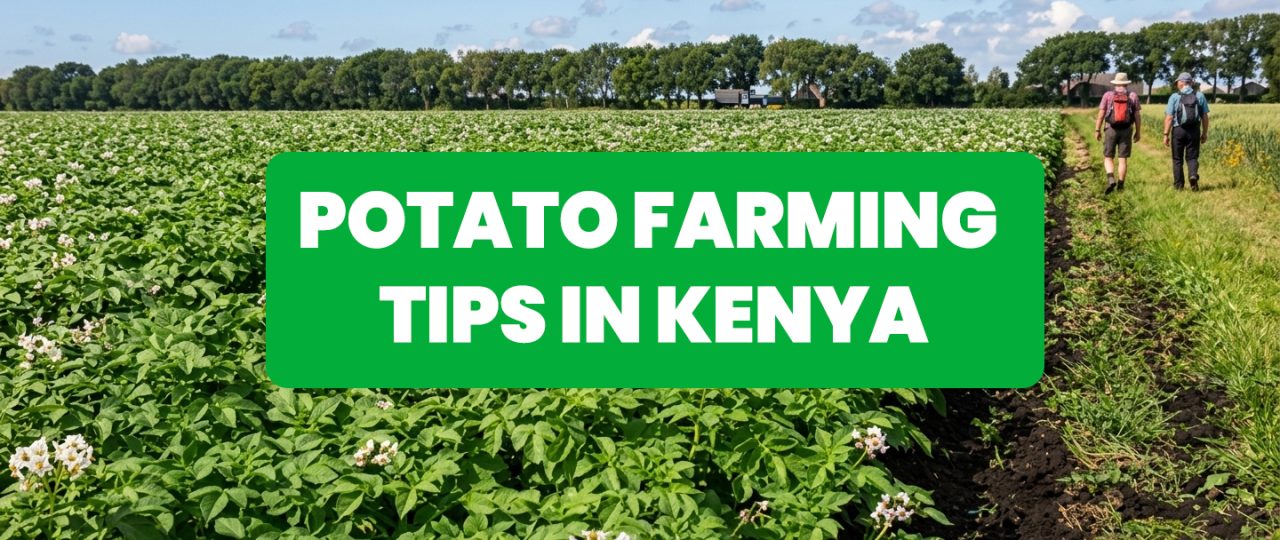
Potato farming is one of the most profitable crop farming businesses in Kenya due to the high demand for potatoes in homes, hotels, restaurants, supermarkets, and food processing industries. Potatoes are a staple food and are widely used for chips, crisps, mashed potatoes, and fast foods, making them an important commercial crop for many farmers.
However, successful potato farming requires proper planning, quality seed selection, soil management, pest control, and market research. Many farmers fail because they underestimate the importance of good agricultural practices and proper farm management.
If you are planning to start potato farming in Kenya, here are the most important things you need to know before investing.
Why Potato Farming Is Profitable
Potatoes mature relatively quickly and can generate good returns within a few months.
Benefits of Potato Farming
- High market demand
- Short maturity period
- Good income potential
- Suitable for small and large farms
- Multiple market opportunities
With proper management, potato farming can become a reliable source of income for farmers.
1. Choose the Right Potato Variety
One of the most important decisions is selecting the right potato variety for your region and market.
Popular Potato Varieties in Kenya
Shangi
Very popular due to:
- Fast maturity
- High demand
- Good yields
Unica
Known for:
- Disease tolerance
- Good productivity
Dutch Robjin
Preferred for:
- Chips processing
- Commercial markets
Kenya Mpya
Suitable for:
- Highland farming areas
- Good disease resistance
Different varieties perform differently depending on climate and soil conditions.
2. Use Certified Potato Seeds
Using certified seeds is critical for successful potato farming.
Why Certified Seeds Matter
Certified seeds:
- Improve yields
- Reduce disease risks
- Improve crop uniformity
- Increase profitability
Avoid planting recycled or diseased seed potatoes because they often result in poor harvests and disease outbreaks.
Always buy seeds from trusted suppliers.
3. Understand the Best Climate for Potato Farming
Potatoes perform best in cool climates with adequate rainfall.
Suitable Conditions
- Cool temperatures
- Well-distributed rainfall
- High altitude areas
- Well-drained soils
Major Potato Growing Regions in Kenya
- Nyandarua
- Nakuru
- Meru
- Elgeyo Marakwet
- Narok
- Nyeri
Irrigation can also support potato farming in drier regions.
4. Soil Preparation Is Very Important
Potatoes require loose, fertile, and well-drained soils for proper tuber development.
Best Soil Conditions
- Sandy loam soils
- Good drainage
- High organic matter
- Soil pH of 5.0 to 6.5
Land Preparation Tips
- Plough deeply
- Remove weeds
- Break soil clods
- Add organic manure
Good soil preparation improves root and tuber development.
5. Conduct Soil Testing Before Planting
Soil testing helps farmers understand:
- Nutrient levels
- Soil pH
- Fertilizer requirements
Proper soil analysis prevents overuse or underuse of fertilizers.
Healthy soils improve potato productivity significantly.
6. Proper Fertilizer Application
Potatoes require balanced nutrition for healthy growth and good tuber formation.
Important Nutrients
- Nitrogen
- Phosphorus
- Potassium
Common Fertilizers Used
- DAP during planting
- NPK fertilizers
- CAN for top dressing
Organic manure also improves soil fertility and moisture retention.
Overusing nitrogen may result in excessive leaves with poor tuber formation.
7. Proper Spacing and Planting
Correct spacing improves airflow, nutrient access, and tuber development.
Recommended Spacing
- 75 cm between rows
- 20–30 cm between plants
Planting Depth
Seed potatoes should be planted:
- 10–15 cm deep
Proper planting reduces competition and improves yields.
8. Water Management and Irrigation
Potatoes require consistent moisture, especially during:
- Tuber formation
- Flowering stages
Importance of Irrigation
- Improves yields
- Reduces drought stress
- Supports uniform growth
Avoid waterlogging because it increases disease risks.
Drip irrigation is becoming increasingly popular in commercial potato farming.
9. Pest Management in Potato Farming
Pests can cause serious crop losses if not controlled early.
Common Potato Pests
- Aphids
- Potato tuber moth
- Cutworms
- Nematodes
Pest Control Tips
- Regular scouting
- Use recommended pesticides
- Crop rotation
- Field sanitation
Integrated Pest Management helps reduce chemical dependency.
10. Disease Control Is Critical
Diseases are among the biggest challenges in potato farming.
Common Potato Diseases
Late Blight
Very destructive during wet conditions.
Early Blight
Affects leaves and reduces plant vigor.
Bacterial Wilt
Causes severe crop losses.
Blackleg Disease
Affects stems and tubers.
Prevention Measures
- Use certified seeds
- Practice crop rotation
- Avoid waterlogging
- Apply recommended fungicides
Early disease control prevents major losses.
11. Earthing Up Improves Tuber Development
Earthing up involves piling soil around potato plants as they grow.
Benefits
- Prevents tuber exposure to sunlight
- Improves tuber formation
- Reduces weed growth
- Supports plant stability
This practice is essential for healthy potato production.
12. Weed Control Is Important
Weeds compete with potatoes for:
- Nutrients
- Water
- Sunlight
Weed Management Practices
- Early weeding
- Mulching
- Proper spacing
- Herbicide application where necessary
Clean fields improve productivity and reduce pest hiding places.
13. Harvesting at the Right Time
Potatoes are usually ready for harvest after:
- 90 to 120 days depending on variety
Signs of Maturity
- Yellowing leaves
- Drying stems
- Mature tuber skins
Harvest carefully to avoid bruising and damage.
14. Proper Storage and Post-Harvest Handling
Poor storage causes major losses after harvesting.
Storage Tips
- Store in cool, dark places
- Avoid direct sunlight
- Ensure proper ventilation
- Remove damaged tubers
Improper storage can cause rotting and sprouting.
15. Understand Your Market Before Planting
Market planning is essential for profitability.
Potential Markets
- Hotels
- Supermarkets
- Chips vendors
- Food processors
- Local markets
Farmers should identify buyers early before planting large acreages.
16. Cost of Starting Potato Farming
Important costs include:
- Land preparation
- Certified seeds
- Fertilizers
- Chemicals
- Labor
- Irrigation
Budget planning helps farmers avoid financial challenges during the season.
Common Mistakes New Potato Farmers Make
Using Poor Seeds
Low-quality seeds reduce productivity.
Ignoring Disease Prevention
Late disease management often leads to heavy losses.
Poor Market Planning
Prices may fluctuate depending on supply.
Overusing Fertilizers
Can damage crops and reduce tuber quality.
Final Thoughts
Potato farming remains one of the most profitable agribusiness opportunities in Kenya when done correctly. Success depends on proper planning, certified seeds, good soil management, disease control, irrigation, and reliable market access.
Farmers who adopt modern farming techniques and invest in quality inputs are more likely to achieve high yields and strong profits. Continuous learning, regular field monitoring, and proper farm management are essential for long-term success in potato farming.
With the right approach, potato farming can provide sustainable income, food security, and business growth for both small-scale and commercial farmers.